Renovating, Extending or Building New? Let's Make it Happen!

Auckland Homeowner Decision Guide

Should you renovate or move?

Sometimes the right answer is to reshape the home you already have. Sometimes it is to move on. This guide helps you compare both paths through the things that matter most: daily life, location, total cost, future needs and the amount of change your household can carry.

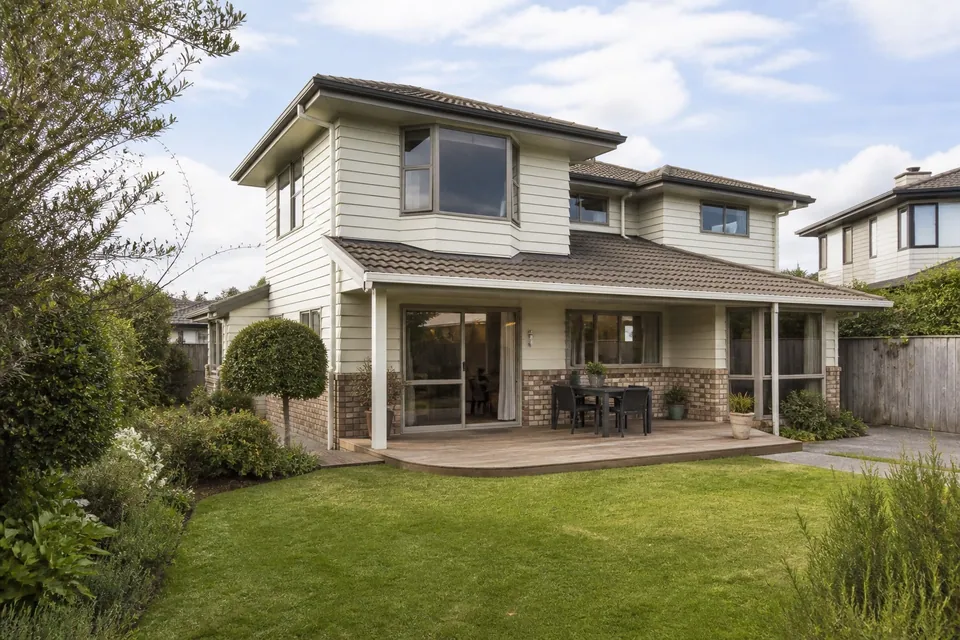
Established Auckland weatherboard home with space to adaptRenovate, extend or move—the right answer depends on your life.
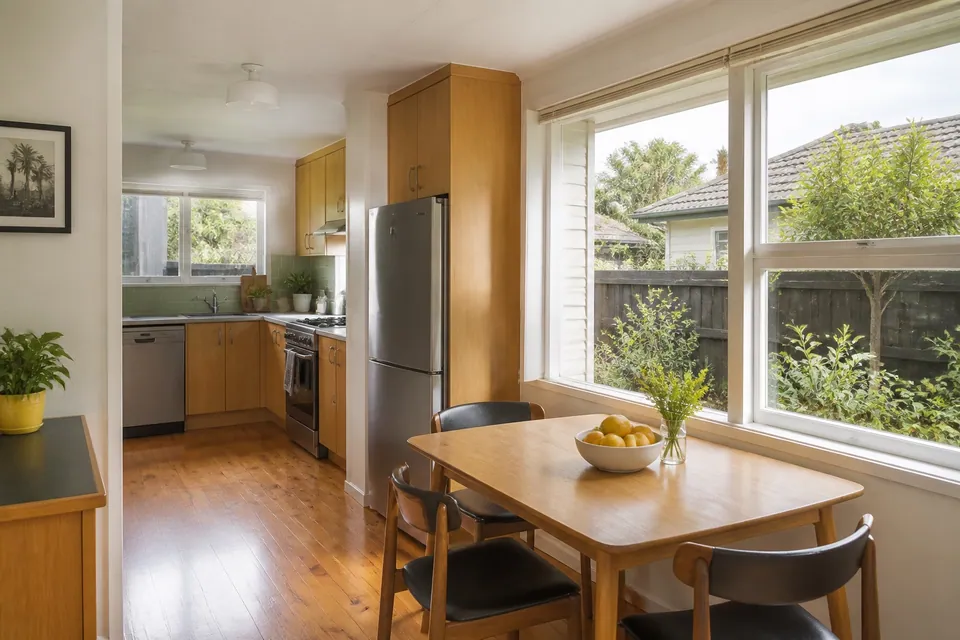
Compact kitchen and dining area in an established Auckland home

Trigger Moment

Something changed. Now the house feels different.

It may have been a new child, teenagers needing independence, a job now based at home, ageing parents, or simply the realisation that daily life has become harder than it needs to be.

That trigger can make renovation feel urgent—but the first useful question is not “What should we build?” It is “What problem are we really trying to solve?”

Recognition

Does this feel familiar?

If several of these thoughts keep returning, you are probably not choosing between a “good” and “bad” option. You are comparing two legitimate ways to create a home life that works better.

Understanding the Options

Both paths can be right.

The stronger decision is the one that solves the real problem at a level of cost, disruption and risk that feels reasonable for your household.

Renovating may suit you when

The place is worth keeping.

  • You value the location and would struggle to replace it.
  • The site and existing home have a realistic path to the space you need.
  • Your main frustrations can be solved through layout, extension or performance improvements.
  • You are comfortable with a period of planning, decisions and disruption.
  • You expect the renovated home to support your needs for years to come.
Understand the renovation pathway →

Moving may be wiser when

The bigger picture has changed.

  • The location no longer suits work, school, family or lifestyle.
  • The site or existing structure makes your must-haves unusually difficult or costly.
  • You need a faster or more certain change than a major project can provide.
  • Your future needs point toward a very different property type or area.
  • A suitable home is available at a total cost and risk level that feels more comfortable.

A good building conversation can still be valuable if it confirms that the home is not the right place for your next investment.

The Decision Framework

Compare the outcome, not just the project.

Work through each factor separately. The pattern that emerges is usually more useful than trying to force one answer too early.

ConsiderationIf you renovateIf you move
Everyday lifestyle

Can the current home be reshaped around how you actually live?

Useful when the address works but the rooms, storage, light or connections between spaces do not.

Stronger when the problem is broader than the house—such as commute, schools, land or neighbourhood.

Attachment to location

What would be difficult to replace if you left?

Protects established relationships, routines, outlook, garden and familiarity with the area.

Can open access to a location that better supports the next stage of life.

Total cost

What is the full cost of each path, including the less obvious items?

Needs realistic scope, design input, approvals, contingency and possible temporary living costs.

Includes sale and purchase costs, finance, moving, immediate repairs and compromises in the next home.

Future needs

Will this decision still work in five or ten years?

Can be planned around growing children, multigenerational living, home working or ageing in place.

May be clearer when future needs require a different site, level access, land size or property type.

Time and disruption

How much uncertainty and change can your household comfortably carry?

Planning and construction take time, and living arrangements may need to change temporarily.

Avoids a building project, but preparing, selling, searching and settling also demand time and energy.

Cost Considerations

Compare the whole cost. Not only the headline number.

A renovation estimate and a purchase price are not directly comparable. Each option carries costs, uncertainty and compromises that are easy to overlook at the start.

Include when considering renovation

  • Design, engineering, specialist reports and council approvals
  • Construction scope, selections and a sensible contingency
  • Finance costs and the timing of payments
  • Temporary accommodation, storage or changes to daily routines
  • The long-term value of staying in the location

Include when considering moving

  • Sale preparation, agent, legal and marketing costs
  • Purchase due diligence, lending and settlement costs
  • Moving, storage and immediate work needed in the new home
  • Changes to commute, schooling, support networks and routines
  • The compromises needed to buy within the target area and budget

A builder can help you understand likely construction scope, but a complete decision may also need independent advice from a designer, valuer, real estate professional, mortgage adviser or accountant.

Honest Advice

What a useful builder conversation should do.

01

Listen before proposing

Understand the trigger, the household and the non-negotiables before discussing a building solution.

02

Surface complexity early

Identify the site, structure, access and approval questions that could materially affect the decision.

03

Separate needs from extras

Clarify what must change for the home to work and what would simply be desirable if the budget allows.

04

Be willing to say “move”

If the property cannot sensibly support your priorities, saying so may be the most valuable advice a builder can give.

Confidence

A sensible next step without a major commitment.

You do not need a final design—or even a final decision—to start a useful conversation. The aim is to understand what deserves further investigation.

  1. 01

    Tell Us What Changed

    Start with the trigger rather than a fixed solution. Explain what is no longer working and what you want life at home to feel like.

  2. 02

    Understand the Property

    We consider the existing home, site, likely constraints and whether your priorities appear realistic before encouraging detailed plans.

  3. 03

    Compare the Paths

    Where useful, we outline the renovation questions that need answering and suggest the other advice—property, finance or design—that will make the comparison stronger.

  4. 04

    Choose Without Pressure

    You decide whether to renovate, extend, pause or move. The goal of the first conversation is clarity, not commitment.

Questions Homeowners Ask

Clear answers for an early decision.

Should I speak to a builder or a real estate agent first?

Ideally, speak to both. A builder can help test what may be possible in your current home, while an agent can give you a realistic view of your present value and the homes available within your budget. Independent perspectives make the comparison more useful.

How can I tell whether an extension is feasible?

Feasibility depends on the site, planning rules, access, structure, services and the type of space you want to add. An early conversation and, where appropriate, a site review can identify the questions that need professional investigation.

Will a renovation add as much value as it costs?

Not always, and value is not only financial. Some projects are justified by better daily living and staying in a valued location. Before deciding, compare likely market value with the personal value of the outcome and seek advice from a valuer or local property professional.

What if moving is clearly the better option?

Then that is useful clarity. A responsible early conversation should help you avoid spending heavily on plans for a property that cannot sensibly deliver what you need.

Start With Clarity

Talk Through Your Renovate-Or-Move Decision

Tell us what changed, what you value about the property and what you need from the years ahead. We'll help you identify the building questions worth answering—and we will be honest if moving appears to be the stronger path.